Google Closes a Door, Bullhorn Goes Dark, and a Solo Founder Wins
Three separate shocks hit HR tech infrastructure in a single week. Google quietly removed the Indexing API approval pathway — effectively closing the door for new job boards seeking fast Google indexing. Bullhorn, the ATS/CRM backbone of more than 10,000 staffing firms, suffered a multi-day cyber incident that knocked job distribution to Indeed and every Marketplace integration partner offline for nearly four days; whether customer data was exfiltrated remains unanswered. Meanwhile, Fantastic.jobs — a solo-founded job data company that reportedly underpins more than a thousand platforms — announced it has secured outside backing.
Key facts
- Google removed its Indexing API approval form and quota-request step from documentation on October 16, 2026, closing the on-ramp for new job boards seeking production API access.
- Bullhorn declared a system-wide outage on October 17, 2026, later confirmed as a cyber incident; CrowdStrike was engaged.
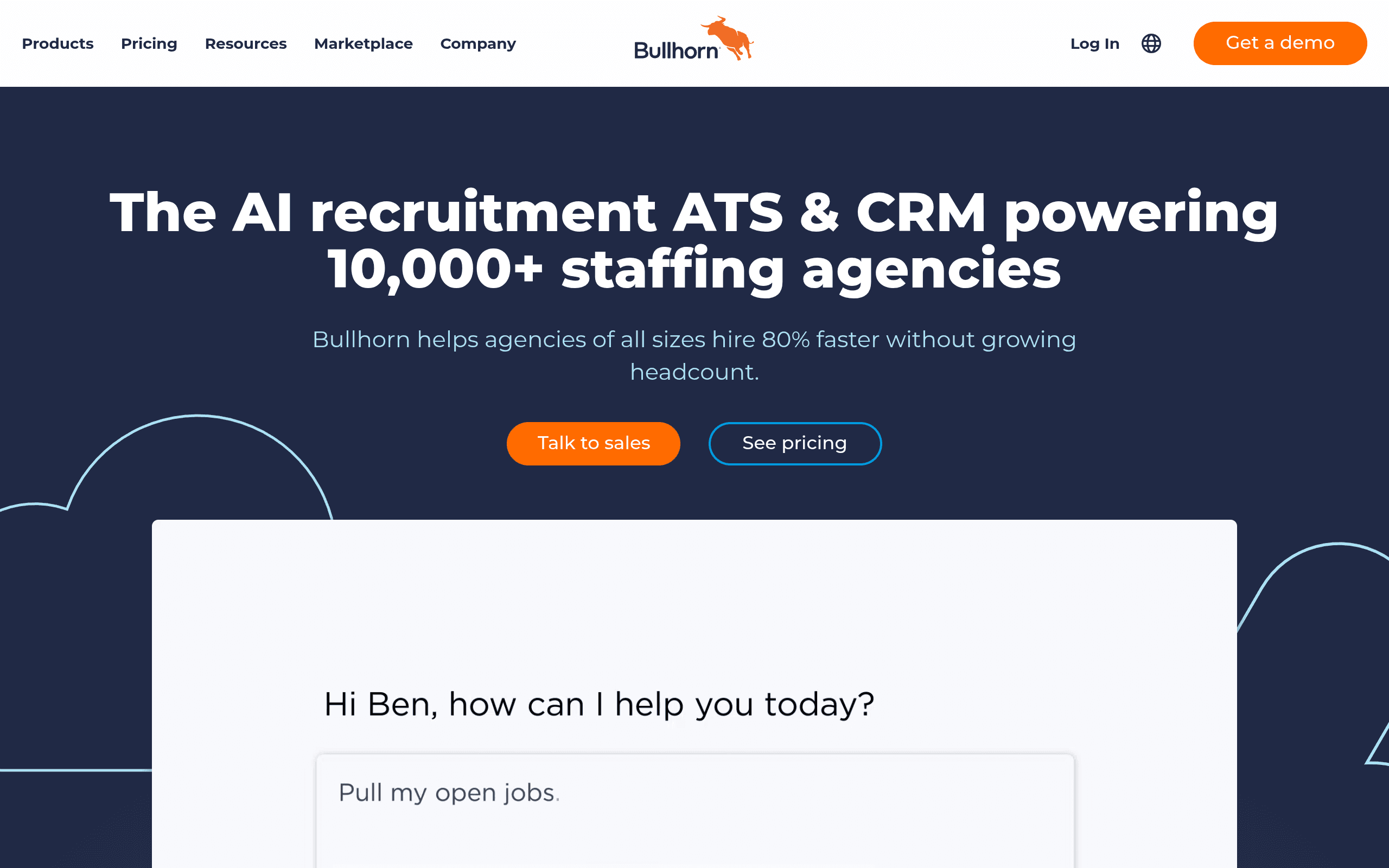
- More than 10,000 staffing and recruiting firms rely on Bullhorn's ATS/CRM platform.
- The outage disrupted job-posting sync to Indeed and broke every Bullhorn Marketplace integration for approximately four days.
- All non-SSO passwords were reset; all API user passwords were expired, requiring manual credential updates across all customer and third-party integrations.
- As of October 20, 2026, Bullhorn had not confirmed whether customer data was exfiltrated and had not identified the entry point or threat actor.
- Bullhorn warned customers of threat actors impersonating its staff to harvest credentials and MFA codes.
- Fantastic.jobs, a one-person job data company reportedly serving 1,000+ platforms, secured outside funding; terms were not disclosed.
The week of October 16, 2026 delivered three distinct but interconnected blows to the infrastructure that connects job seekers, staffing firms, and job boards — a reminder of how concentrated the dependencies in recruitment technology have become.
**Google closes the Indexing API on-ramp** On October 16, Google quietly updated three pages of its Indexing API documentation — the quickstart, the usage page, and the quota page. According to Search Engine Roundtable's Barry Schwartz, who caught and published the diff, the update removed the step titled "Request approval and quota," the approval form itself, and the language framing the 200-daily-publish limit as an onboarding quota that could grow over time. Also removed was the guidance telling sites with short-lived pages — job postings, specifically — to prefer the Indexing API over sitemaps.
For job boards and recruitment platforms that have been waiting to graduate from testing to production use of the API, the practical effect is significant: the path that previously existed to request higher quota and full approval no longer appears in Google's documentation. New entrants to the job board market who had been building toward Indexing API integration as a distribution strategy will need to reassess.
**Bullhorn: four days, 10,000 customers, many open questions** The first symptom appeared that same Friday evening — job postings failing to sync from Bullhorn to Indeed. By early Saturday morning, October 17, login errors were spreading across 25 production clusters. By 8:04 a.m. ET, Bullhorn had declared a system-wide outage. Seven hours later, the company disclosed a cyber incident on its status page and confirmed that CrowdStrike had been engaged; platform access was disabled shortly after.
Recovery stretched into Tuesday, October 20. By 9:30 a.m. that day, all regions were back online — but most components still showed degraded performance, VMS Sync remained in partial outage, and sandbox environments were still in major outage. Bullhorn also issued a warning that threat actors were impersonating its staff in an attempt to harvest credentials and multi-factor authentication codes from customers.
The downstream consequences extend well beyond Bullhorn's own customer base. The platform serves as a primary distribution channel for a large share of temporary and contract job listings that flow to boards, aggregators, and programmatic channels. Every Marketplace partner that posts to, parses from, or writes back to Bullhorn lost that connection for roughly four days. Every API integration is broken until each customer and third-party integration partner manually updates expired credentials in their own code.
As of the most recent information available, Bullhorn has not determined whether customer data was exfiltrated, has not identified the entry point, and has not named a threat actor. The gap between the first latency notice and the word "cyber" was approximately ten hours. Those open questions — particularly data exfiltration — are the ones that matter most to the staffing firms, their candidates, and their clients.
**Fantastic.jobs finds backers** In a notably different register, Fantastic.jobs — a solo-founded job data company that according to Job Board Doctor reportedly serves more than 1,000 platforms — announced it has secured outside backing. Financial details and investor names were not disclosed in the reporting reviewed.
Verified vendor profiles for the companies named above — DHRMap wires every story to its directory.

Cloud software company providing applicant tracking and CRM tools for staffing and recruitment agencies.

Corporate learning and development company that builds custom training content, including VR, AR and XR, eLearning and instructor-led programs.
Global employment website and job board that aggregates job listings and connects job seekers with employers.
DHRMap tracks every HR-tech company over time — here's the rest of the coverage.
For HR technology operators, this week is a case study in single-point-of-failure risk. Bullhorn's outage illustrates how deeply staffing operations — and the job-distribution pipelines that feed job boards and programmatic channels — are concentrated in a handful of platforms. An unresolved data-exfiltration question at a company holding the candidate and client data of 10,000+ firms is a material risk for every party in that chain. Google's Indexing API change is quieter but structurally significant: it reduces the discoverability lever available to job board operators, particularly newer entrants, and reinforces Google's control over how job content surfaces in search. Together, these events underscore why platform diversification, API credential hygiene, and indexing strategy deserve board-level attention in HR tech companies.
Work at Bullhorn? Claim the profile — free · Get featured on DHRmap — from $1,000/year
Have HR-tech news? Submit it free · Publish a Sponsored article — $300